We’ll get RID of ’em GUARANTEED!
Ballarat Pest Control experts… RID Pest Control are local, experienced pest control choice for prompt, reliable and affordable service in Ballarat! Just remember we’ll get RID of ’em GUARANTEED!
RID Pest Control are local, family owned and operated pest control service in Ballarat servicing the surrounding district and community. We provide expert solutions to your pest problem with our best price and best service GUARANTEE!
David and his team of qualified and experienced pest control technicians can help with any pest problem, large or small, Domestic or Commercial!
Did you know
RID Pest Control has been operating for over 30+ years! With over 75 years combined experience in the family!
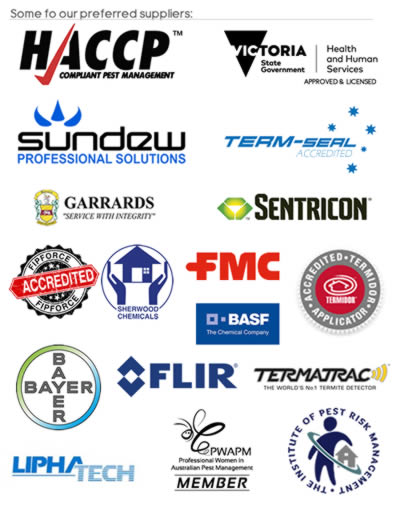
As Ballarat’s most trusted local Pest Control service we guarantee our work and assure customer satisfaction each and every time! We’re health department approved and licensed and posses over 30 years of experience!
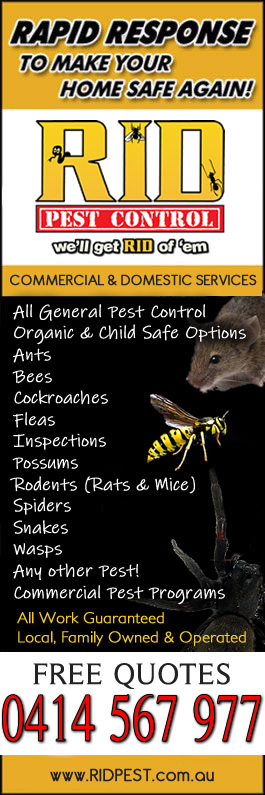
Our Services Include:
- All General & Domestic Pest Control
- Environmentally Friendly Pest Control
- 100% Pet & Child Friendly Treatment Options
- Termite Treatments
- Spiders
- Snake Removal / Handling
- Possums
- Cockroaches
- Rats & Mice (Rodents)
- Silverfish
- Fleas
- Pest Inspections & Pre Purchase Inspections
- Wasps Nest Eradication & Removal
- Feral Bee Hive Eradication & Swarm Removal
- Emergency Response Service (24 Hours A Day)
- Commercial Pest Control Programs
- Food Safe Pest Control Compliance
- Rental Property Flea Treatments
- Ballarat & Western District Feral Animal Control
At RID Pest Control Ballarat we understand the importance of providing a swift and prompt response 7 days a week. That’s why our mobile pest control service units are always at the ready to be quickly dispatched to help you with your pest problem.
Our difference is our service! We’re passionate pest management and termite control people. Spanning generations in one family we know how to get the job done and we aren’t happy unless you’re happy. David and his team still do things the old fashioned way when it comes to customer happiness and satisfaction! We say we’ll get RID of ’em and we mean it! We say you’ll be happy and we mean it!
Need a Ballarat Pest Control Service?
Call today and speak to a licensed Ballarat based pest control technician! Phone 0414 567 977
RID PEST CONTROL – LOCAL PEST CONTROL EXPERTS LIVING IN BALLARAT! we don’t pretend to be from Ballarat… we actually live here…..which means we can respond to problem pest issues sooner than companies that pretend to be local and fly up from Melbourne or other areas!
Latest Client Testimonial
To say that RID Pest Control have gone above and beyond for us would be an absolute understatement!!
I honestly don't know how we could ever thank Brad and the team enough. Not only has RID fixed our problem, they have provided us with education and knowledge to ensure we never face the same problems again.
Throughout the whole process (it has been a long one!), RID has kept us in the loop, checked in with us and provided us with the best recommendations and solutions moving forward.
The knowledge and expertise these guys have is simply incredible. Not only are they passionate and great at what they do, they are incredible people who are simply willing to help. Thank you so much Brad and the RID Pest Control Team for sticking with us and helping us, we will be forever grateful to you and look forward to seeing you guys at our regular inspections moving forward.
Please do not hesitate to contact the RID team, I highly recommend them and the service they provide. They truly are the best in the business!